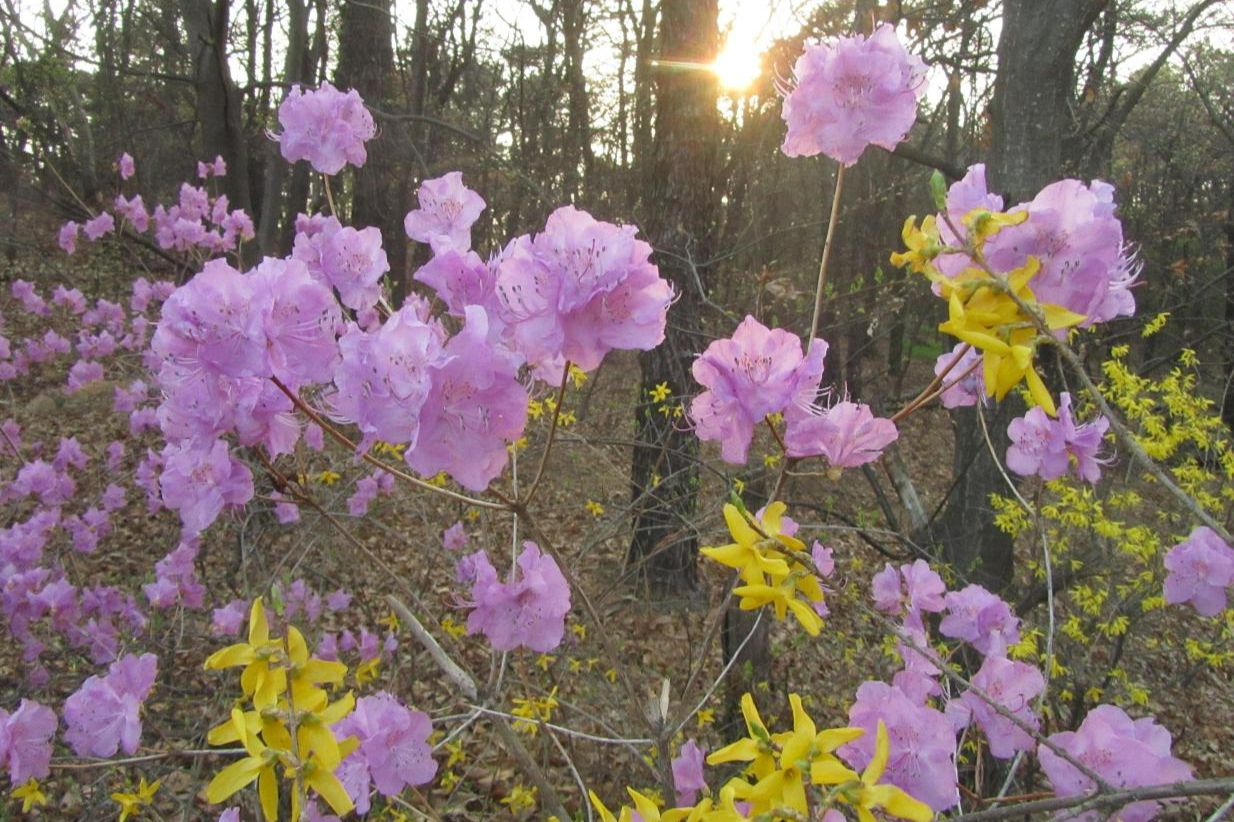
Walking the paths of Mount Gaehwa, the “Flower-Blooming Mountain” overlooking the Han River and Gimpo Airport, feels especially tranquil in spring, when its forested heights live up to their name. That sense of peacefulness deepens as one encounters the centuries-old Buddhist statues standing before temples tucked into its valleys. A closer look at the mountain’s history, however, reveals turmoil and tragedy beneath its apparent tranquility. In the late 1930s, as Japan’s war against China intensified, stone quarried from the mountain was used to build Gimpo Airbase, which was later occupied by American troops at the end of World War II. At the outset of the 1950-53 Korean War, the air base played a key role in evacuating U.S. embassy and military personnel. Covering their escape were more than 1,100 troops from the 11th, 12th and 15th regiments of the 1st ROK Army Division, who had retreated and taken up defensive positions on the mountain on June 26, 1950, the day after North Korea’s invasion began. Four days later, cut off, out of ammunition and surrounded by superior number