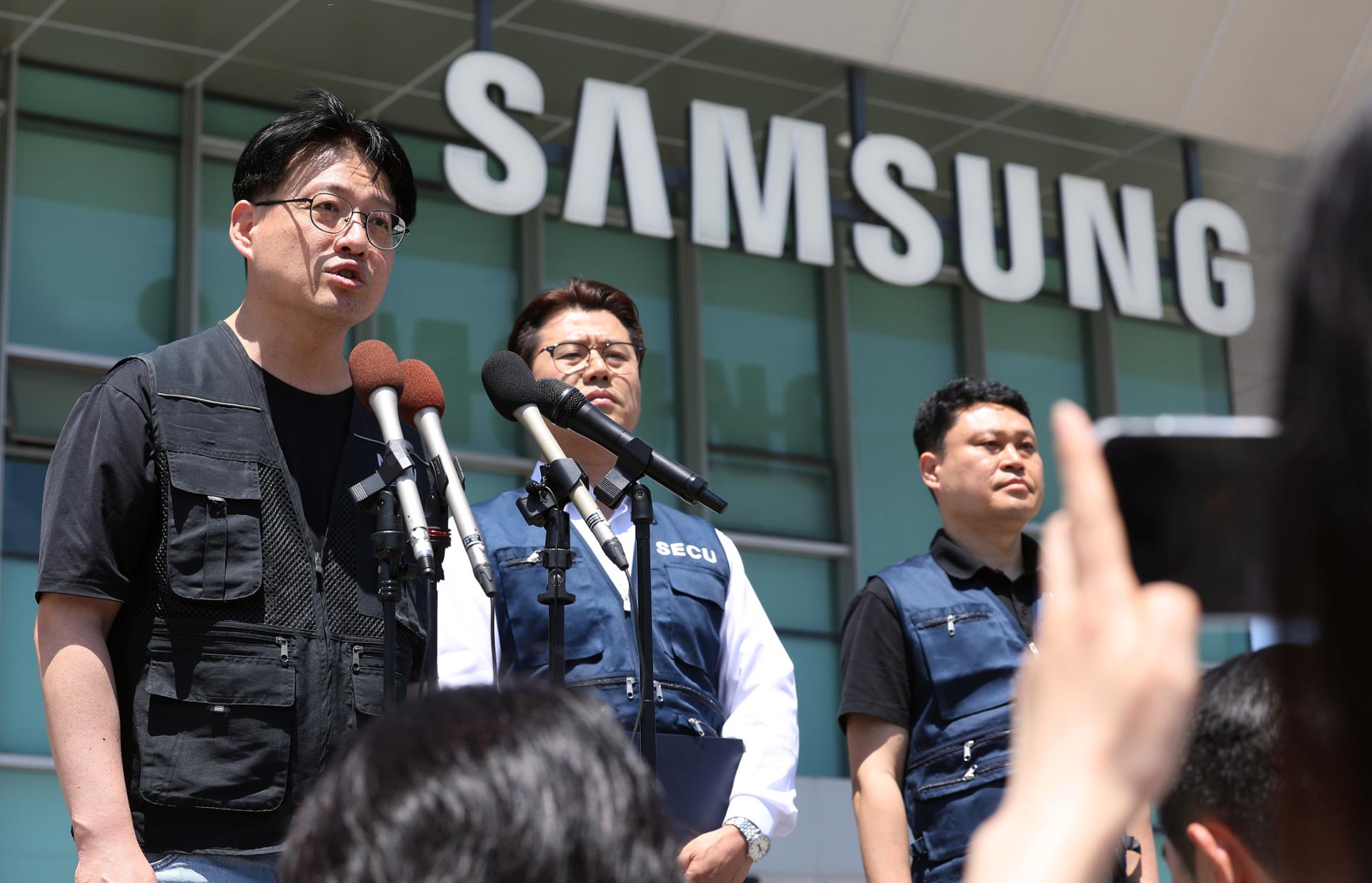
The recent wage agreement between Samsung Electronics management and its labor union may have averted a potentially devastating strike, but it has also ignited a far larger national debate. At the center of the controversy lies a critical question: How should extraordinary corporate profits be distributed in an era defined by technological transformation, widening wage inequality and fierce global competition? Samsung’s labor and management reached a tentative agreement to allocate a fixed portion of operating profit to special performance bonuses, narrowly avoiding what could have become the first large-scale strike in the company’s semiconductor division. The immediate crisis may have passed, but the implications of the agreement are only beginning to unfold. Semiconductors are no ordinary industry. In the age of artificial intelligence (AI), chips have become strategic assets tied directly to national competitiveness and economic security. The global semiconductor race is increasingly a contest of capital. Companies that fail to invest aggressively in advanced fabrication plants