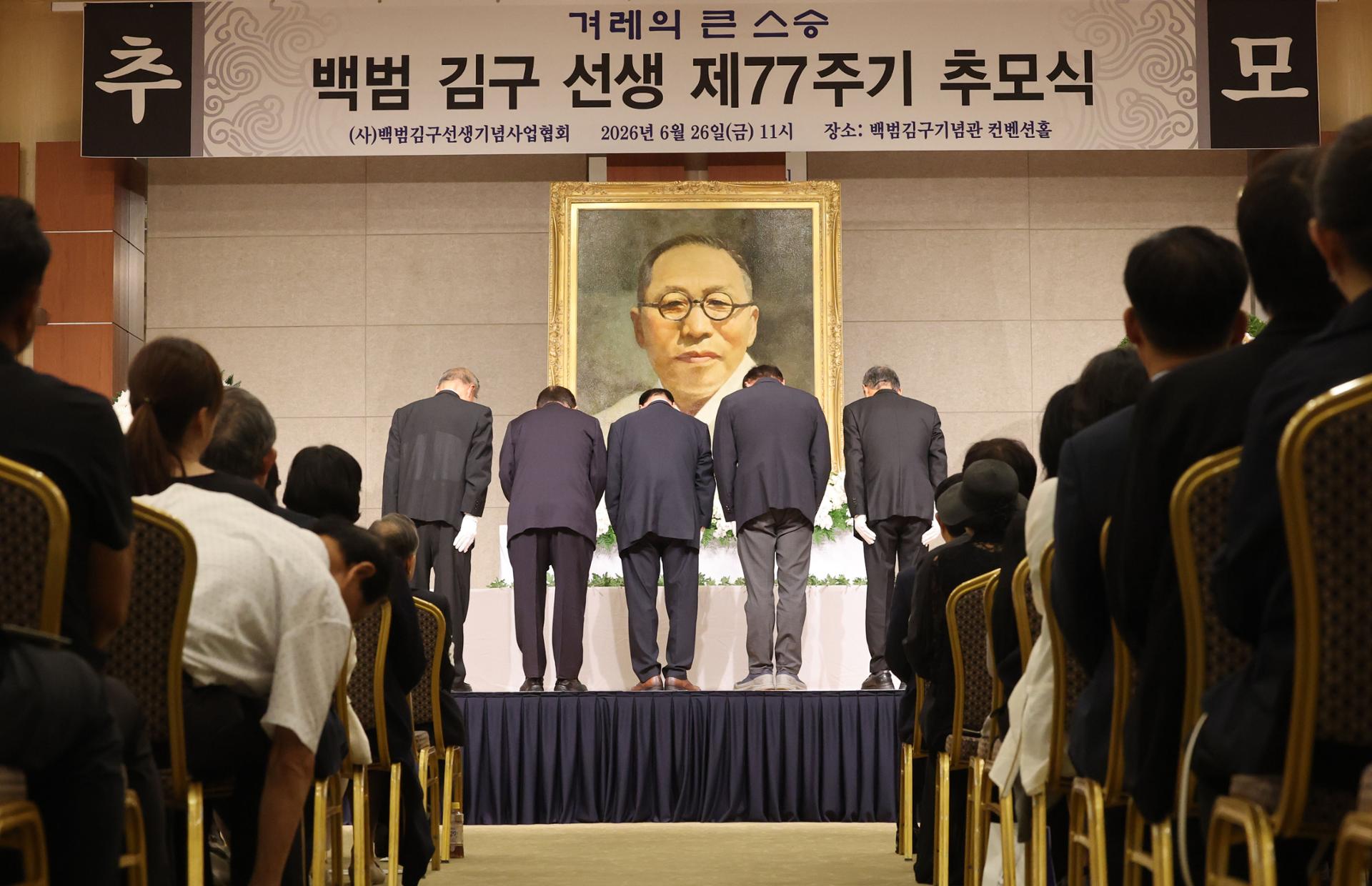
There is a photograph familiar to anyone who studies the Korean independence movement. It shows an elderly man in round spectacles and hanbok, or traditional Korean clothes, his face almost scholarly and his gaze soft behind the lenses. He looks like a retired professor, someone you might pass in a near-empty library. That face belonged to a man who stood 180 centimeters tall and spent his youth on the run, a rebel leader in a crushed uprising, a man who had killed a Japanese agent and fled through the freezing Korean countryside with a price on his head. His name was Kim Koo. And if you want to understand modern Korea, its soul, its divisions, its improbable cultural triumph, you must also understand him. The making of a rebel Kim Koo was born in 1876, in the final, flickering years of the 1392-1910 Joseon Dynasty. He came from a ruined yangban (aristocratic) family, but poverty had stripped him of privilege. Asia in his youth was a continent on fire: a cauldron of war, revolution and the boot-heel of Western imperialism. Kim was more sensitive than most to the tremors beneath his feet