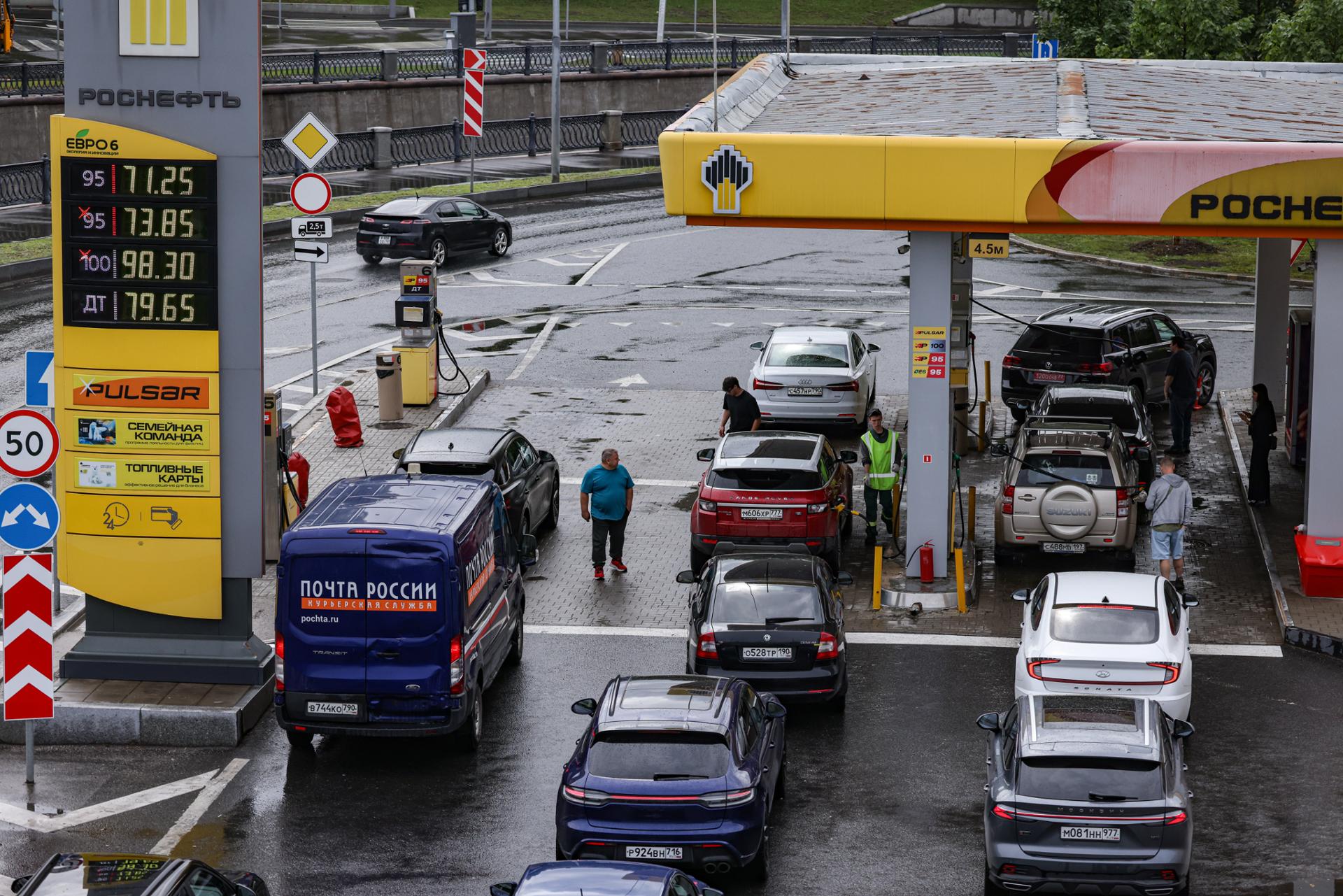
Korean refiners are drawing growing attention for their expanding role in the global supply chain after Russia halted diesel exports following Ukraine’s attacks on its energy infrastructure, industry experts said Tuesday. Russia, the world’s second-largest diesel exporter after the United States, imposed a temporary ban on diesel exports on July 8 after repeated Ukrainian drone attacks disrupted refinery operations and triggered domestic fuel shortages. The move has further tightened global diesel supplies at a time when refining capacity in the Middle East has yet to fully recover, while concerns are resurfacing over a potential disruption to shipping through the Strait of Hormuz. Reflecting the tightening supply, U.S. diesel crack spreads widened from just over $60 per barrel in late June to more than $80 per barrel on the day Moscow announced the export ban last week. Against this backdrop, Korean refiners are seeking to capitalize on stronger overseas demand while maintaining sufficient domestic inventories, closely watching developments in the Middle East, global oil prices and the