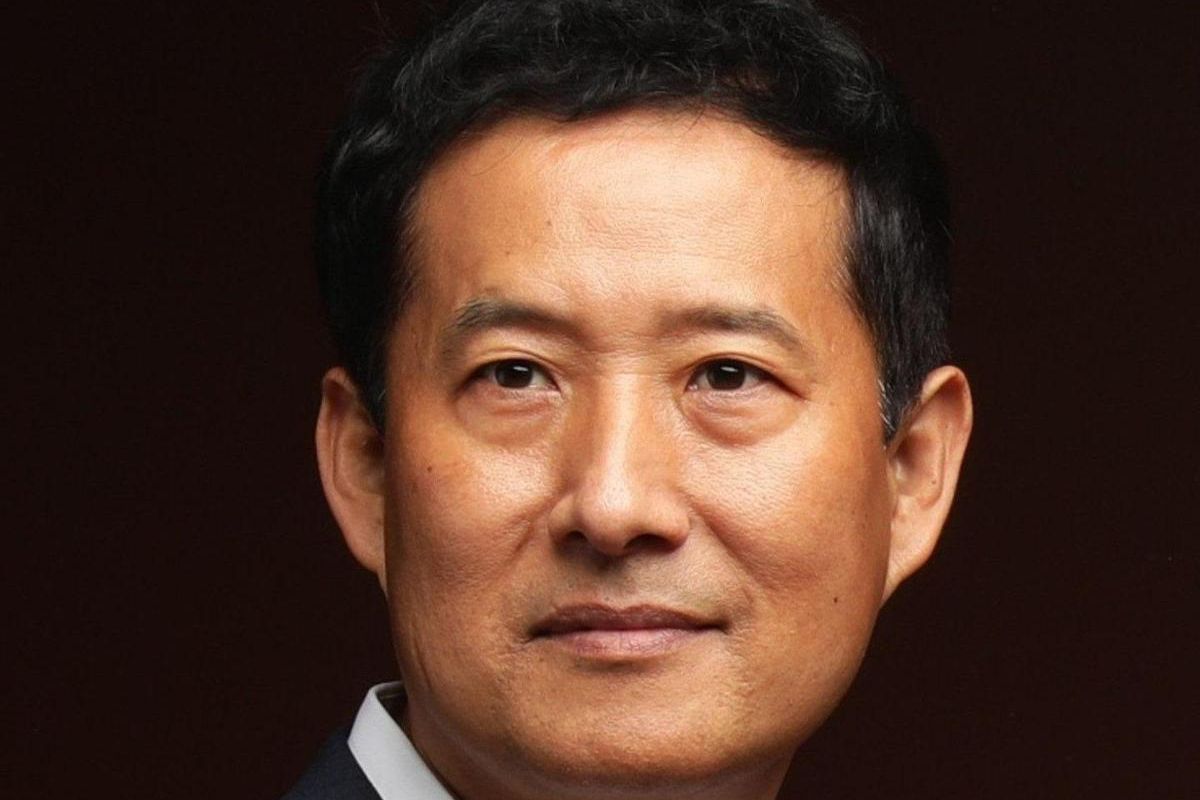
Born in the 1960s, I grew up alongside the technological tidal waves that reshaped our modern world. I watched the home computer move from a curiosity to a necessity. I saw the internet erase geographic boundaries, and mobile technology place the world in our pockets. Each of these eras produced pioneer-visionaries who saw opportunities where others saw only novelty. I admired them, learned from them and benefited from the worlds they built. But I was rarely one of them. For much of my career, my focus lay elsewhere. I spent decades building security operations, managing risk and navigating organizations defined by urgency and crisis. While the “tech bros” of Silicon Valley were breaking things, I was the one fixing them. That path shaped me deeply, placing me firmly in the role of a responder rather than a disruptor. Looking back, I realized I had let those previous revolutions pass me by, assuming that innovation was the domain of the young. But as artificial intelligence (AI) accelerates, I recognize something unmistakable: Artificial intelligence presents an inflection point equal t