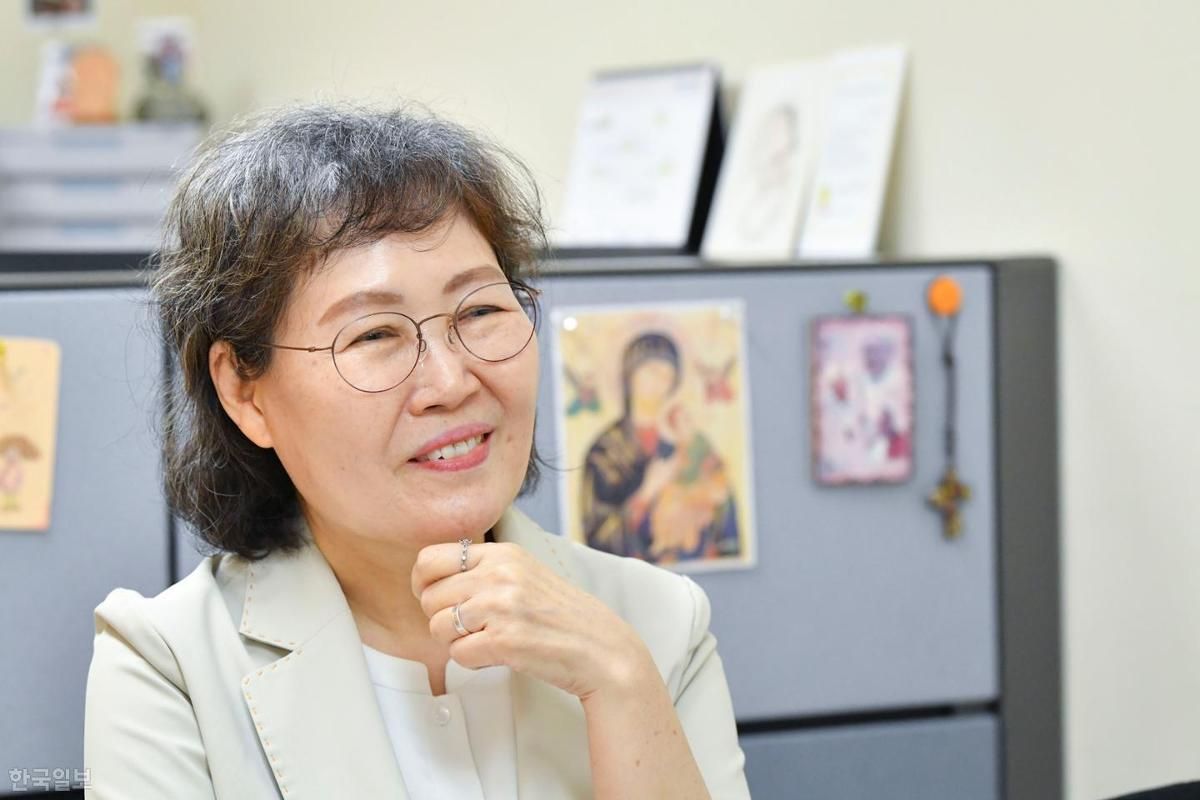
After a patient dies in the hospice ward, a middle-aged nurse who cared for her removes the hospital gown. Before the patient is prepared for burial, the nurse dresses her in clothes she chose when she was still alive. A mother of three sons wore a silk hanbok, a traditional Korean dress, that she had worn only once — at her eldest son’s wedding. A 17-year-old boy, who had spent less than a year in school, wore a crisp high school uniform that still looked new. Families prepared some clothes specifically for that day. A 5-year-old girl who grew up in the ward wore a pink dress, her favorite color. An 11-month-old baby born with childhood cancer wore a jeogori, a traditional Korean jacket, made for a first birthday party that the hospital held early. For the nurse, the ritual is not about dressing the dead. It is about restoring the person behind the patient. Park Myung-hee, 56, is a nurse and team leader at the hospice and palliative care center at Seoul St. Mary’s Hospital, affiliated with The Catholic University of Korea. During her 31-year career, she has cared for patients in t