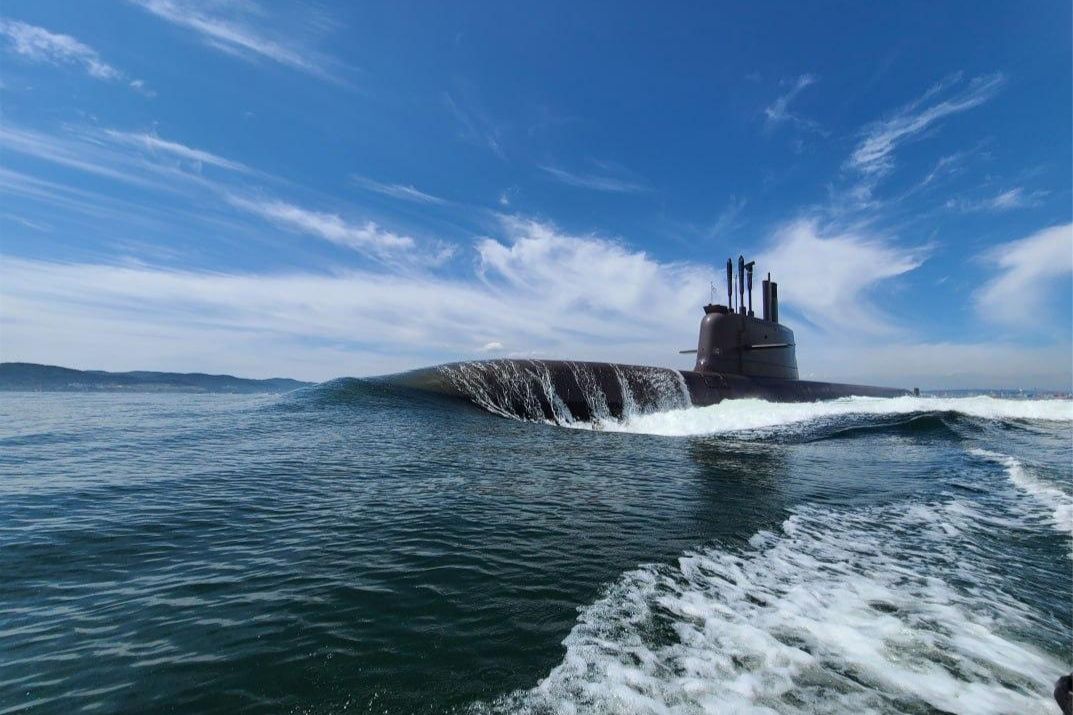
On Feb. 3, a Canadian delegation travelled all the way to the city of Geoje on Korea’s southern coast for a first-hand look at Hanwha’s shipyard. Stephen Fuhr, Canada’s secretary of state for defense procurement, led the over 20-member delegation. Their weeklong trip to Korea came as Hanwha is in fierce competition with Germany’s TKMS for a Royal Canadian Navy contract for 12 new diesel submarines to replace their current aging vessels. The companies should submit their proposals no later than March 2. Watching the competition closely, I felt the urge to provide insight into the core issues Canada should pay attention to choose the right submarines. The trend that disturbs me most was the emergence of non-combat elements such as job creation and technology transfer as core factors in determining who will win the bid. Submarine weapon systems are directly tied to the lives of their crews. Unlike aircraft or armored vehicles on land, escape and rescue options for submarines are extremely limited once an accident occurs. There has long been a clear and widely accepted principle in sub